

Table of Contents
Marketing Strategies for Small Business and Startups: Why They Matter

Marketing strategies for small businesses and startups are not about trying everything at once. They are about choosing the right steps that help people discover your brand, trust it, and ultimately select your business over others.
Most small businesses don’t fail because their product is weak — they fail because people are simply unaware of them. Many startups also struggle because they try to copy big brands instead of focusing on practical and budget-friendly marketing efforts.
The good news?
With the right marketing strategies, even small brands can confidently compete with bigger companies.
Let’s break this down step by step
1. Build a Strong Online Presence
One of the most important marketing strategies for small businesses and startups is maintaining a strong online presence.
Customers search before they buy. If your business isn’t visible online, people quickly move to another brand.
Start with:
- A clear business name
- Same logo and colors everywhere
- Updated details on all platforms
Even if you are not selling online, people still check Google, Instagram, or your website before contacting you.
A consistent online presence builds first-level trust, which is extremely important for new businesses.

2. Improve Your Website Experience
Your website is often the first interaction a customer has with your brand. A slow, confusing, or outdated website can push visitors away within seconds.
A clean design, fast loading speed, and mobile-friendly layout help visitors understand your offer quickly. Clear headings, simple language, and easy navigation improve trust and conversions.
Among all marketing strategies for small business & startups, a well-optimized website gives long-term benefits without recurring costs.

3. Optimize Your Google Business Profile
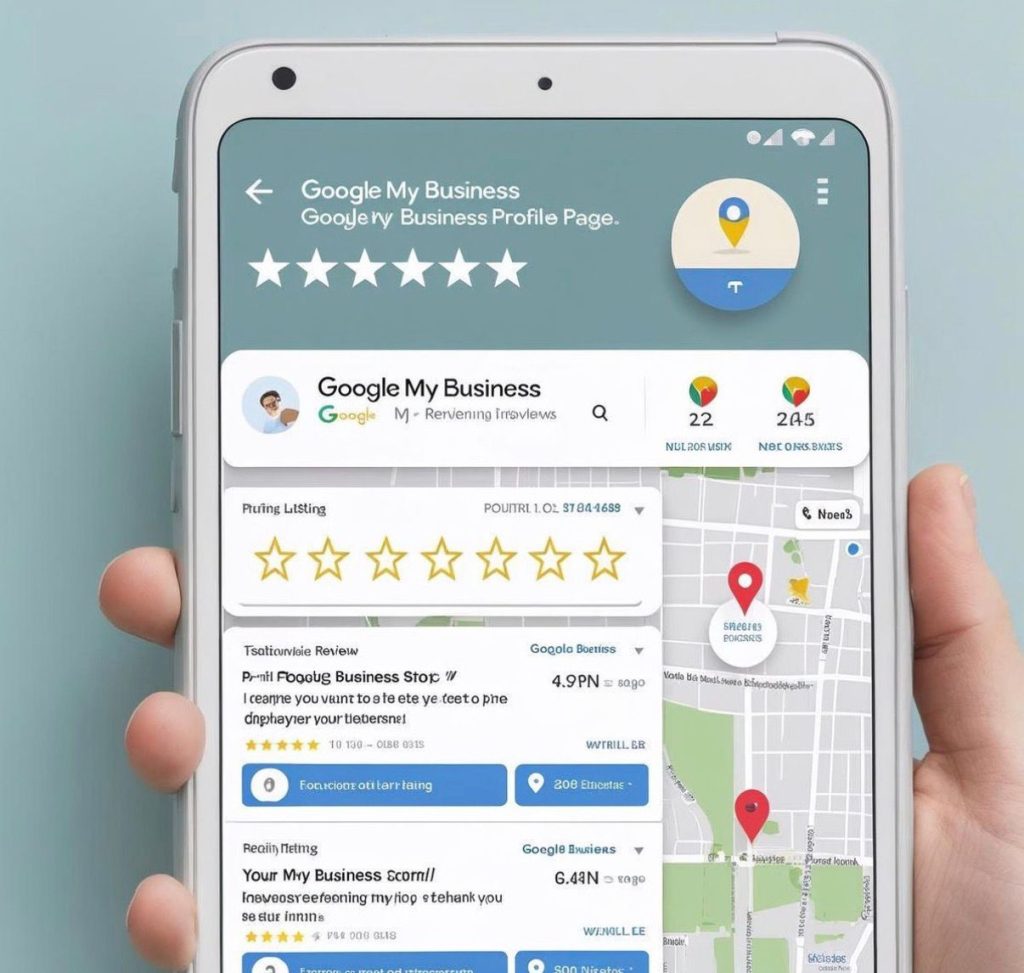
For local businesses, Google Business Profile is a powerful growth tool. Adding correct timings, photos, services, and regular updates increases visibility in local searches. Google Business Profile helps local businesses improve visibility and customer trust.
Customers often decide whether to contact a business based on its Google profile. A complete and active profile brings more calls, directions, and walk-ins.
If you are a small business or startup, this is one of the best budget-friendly marketing strategies you can use. Marketing strategies take time, but they deliver powerful and long-term results for small businesses and startups.
4. Share Helpful and Educational Content
People trust businesses that help them before selling anything. Sharing useful tips, guides, or answers builds authority and credibility.
Educational content shows that you understand customer problems. Over time, this trust converts into sales.
Content marketing is still one of the most powerful marketing strategies for small businesses and startups, as it helps build strong and long-lasting brand value.
5. Run Targeted Ads with Clear Goals
Paid ads work only when they are done with clarity.
Before running ads, ask:
- Who is my customer?
- What problem am I solving?
- What action do I want?
Instead of targeting everyone, focus on:
- Location
- Age group
- Interest
- Buying intent
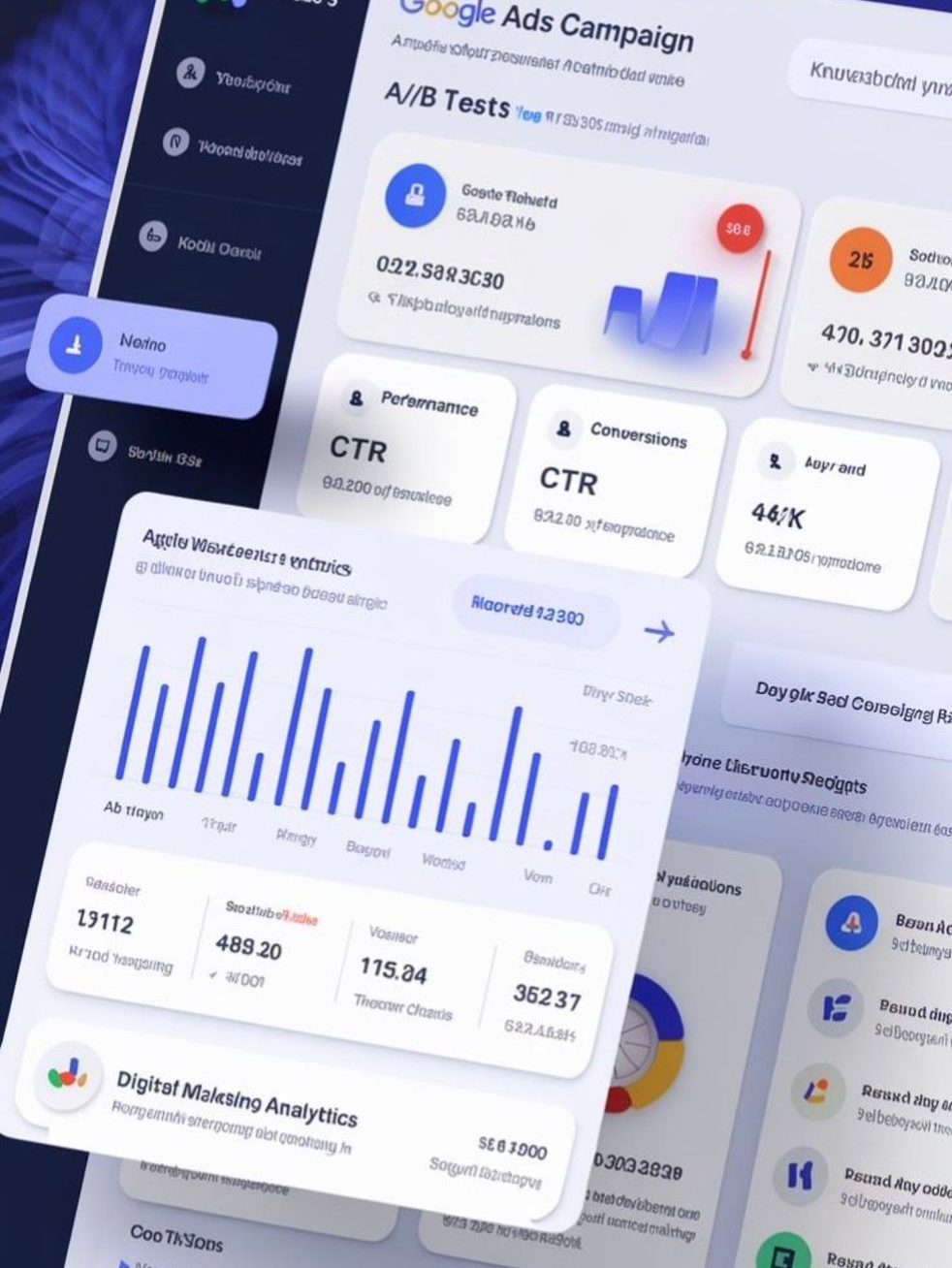
Smart targeting saves money and improves results. This is why paid ads remain a core part of modern marketing strategies for small business and startups.
6. Use Simple Offers to Boost Sales
You don’t need heavy discounts to attract customers.
Simple offers like:
- Limited-time deals
- Free consultation
- Bundle offers
These create urgency and help customers make quicker decisions.
For startups, offers help in getting the first few customers, which later brings referrals and reviews.
This is one of the easiest marketing strategies to apply immediately.
7. Stay Consistent on Social Media
Social media is not about going viral. It’s about staying visible.
Post content like:
- Daily work updates
- Client results
- Team moments
- Customer feedback
Consistency matters more than perfection.
When people repeatedly see your brand, trust builds naturally. That’s why social media plays a strong role in marketing strategies for small business and startups.
8. Collect and Manage Customer Reviews
Customer reviews act as digital word-of-mouth. Even a few genuine reviews can significantly improve credibility.
Encourage happy customers to leave honest feedback. Always respond politely—both to positive and negative reviews.
Reviews greatly influence customer decisions and act as a strong pillar for many marketing strategies used by small businesses and startups.

9. Use Email and WhatsApp Marketing
Many businesses ignore this, but it works extremely well.
Use email or WhatsApp to:
- Share updates
- Send offers
- Announce new launches
These platforms keep your brand in customer memory.
If your goal is to retain customers and increase repeat sales, this is one of the most effective marketing strategies for small businesses and startups.
10. Track Performance and Improve Regularly
Marketing is not a one-time task. Regular tracking helps you clearly see what is working and what needs improvement.
Check website traffic, ad results, engagement, and conversions weekly. Small improvements over time create big growth.
When we talk about marketing strategies for small businesses and startups, the brands that keep improving regularly are the ones that continue to grow, while others remain stuck.
Common Marketing Mistakes Small Businesses Should Avoid
Many small businesses try to be present on every platform without a clear plan. This creates confusion and wastes time. Marketing works best when you focus on platforms where your customers actually spend time.
Another mistake is expecting instant results. Marketing is not magic. Consistency matters more than speed. Brands that stay patient and improve slowly always win in the long run.
Ignoring data is also a big issue. If you don’t track what is working and what is not, you will keep repeating the same mistakes.
Avoiding these errors helps your marketing strategies deliver better and faster results.
How to Choose the Right Marketing Strategy for Your Business?
Not every strategy works for every business. The most effective marketing strategies for small businesses and startups depend entirely on your business goals and target audience..
Ask yourself:
- Is my business local or online?
- Do I need leads or brand awareness?
- Am I selling services or products?
For example, local businesses benefit more from Google Business Profile and reviews, while online startups perform better with content and paid ads.
Start with 2–3 strategies. Once they start working, expand slowly. This approach saves money and avoids confusion.
Real-Life Example of Smart Marketing Execution-
Let’s understand this with a simple example.
A small home-based bakery wanted more orders but had a limited budget. Instead of running ads everywhere, they focused on:
- Google Business Profile
- Instagram Reels
- Customer reviews
Within three months, their visibility increased, and repeat customers grew.
This shows that marketing strategies don’t need to be complex. They need to be relevant and consistent.
Why Consistency Beats Budget in Marketing?
Many startups believe that big brands win because of big budgets. In reality, consistency plays a bigger role.
Posting once a week, updating profiles regularly, replying to comments, and improving content slowly creates long-term growth.
Among all marketing strategies for small businesses and startups, consistency is the key factor that truly decides success. Small efforts done every day are always more powerful than big efforts done once in a while.

Final Thoughts:-
Effective marketing strategies for small business and startups are built on clarity, patience, and understanding customer behavior.
You don’t need to follow every trend. You need to follow what works for your audience. Focus on visibility, trust, and communication.
When marketing is done correctly, growth becomes predictable instead of random.
Start small. Stay consistent. Improve regularly. Results will follow.
If you want professional support to plan and execute the right marketing strategies for your small business or startup, you can explore our digital marketing services for small businesses.
Common Challenges Faced by Small Businesses in Marketing
Even after understanding the right marketing strategies for small businesses and startups, many owners still struggle to get consistent results. The real issue isn’t lack of effort…it’s the lack of clarity and direction.
Some common challenges include limited budgets, unclear target audience, and trying too many tactics at once. Many startups copy big brands without realizing that small businesses need a different approach.
Understanding these challenges helps you choose marketing strategies that are realistic, affordable, and sustainable in the long run.
Frequently Asked Questions (FAQs)-
❓ FAQ 1: What are the most powerful marketing strategies for small business and startups?
The most effective marketing strategies for small businesses and startups are the ones that focus on building visibility, creating trust, and maintaining consistency. Building an online presence, optimizing Google Business Profile, and using targeted ads usually bring the best results with limited budgets.
❓ FAQ 2: How much budget does a small business needed to start marketing?
There is no fixed budget. Many marketing strategies for small businesses and startups perform really well even with a low budget. Organic content, social media activity, and local SEO can be started with very low investment if done consistently.
❓ FAQ 3: How long does it take to see results from marketing strategies?
Marketing results depend on the strategy used. Paid ads can show results quickly, while content and SEO take time. Most marketing strategies for small businesses and startups start showing visible improvement within 2–3 months if they are followed consistently.
❓ FAQ 4: Should startups focus more on social media or website marketing?
Both are important. Social media helps in visibility and engagement, while a website builds credibility. The most effective marketing strategies for small businesses and startups are the ones that balance both platforms instead of relying on just one.
❓ FAQ 5: Are digital marketing strategies more effective than traditional marketing for small businesses?
Yes, in most cases. Digital marketing strategies are more affordable, trackable, and flexible.That’s why most marketing strategies for small businesses and startups today depend more on digital platforms than traditional advertising.
❓ FAQ 6: Can small businesses manage their marketing on their own?
Initially, yes. Many marketing strategies for small businesses and startups can easily be handled by the business owners themselves. However, as the business grows, professional support helps save time and improve results